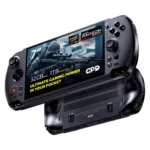
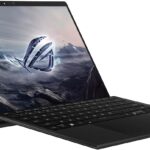
UMPC stands for Ultra-Mobile Personal Computer.
Historically, it referred to a specific initiative launched by Microsoft and Intel around 2006 (codenamed “Project Origami”) to create a new class of device that was smaller than a laptop but larger than a smartphone, running a full version of the Windows operating system.
Table of Contents
Featured UMPCs
| Title | Link | CPU | GPU | RAM | Storage | Display | Connectivity | Ports | Dimension | Battery | Weight | Features | 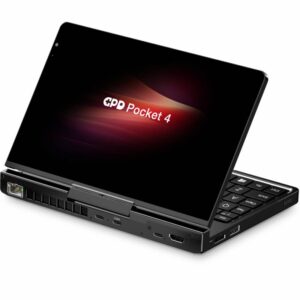 | GPD Pocket 4 | Amazon | AMD Ryzen AI 9 HX 370 (12 cores, up to 5.1GHz) / AMD Ryzen 7 8840U (8 cores, up to 5.1GHz) | AMD Radeon 890M (16 CUs, RDNA 3.5) / AMD Radeon 780M (12 CUs, RDNA 3) | 16GB, 32GB, or 64GB LPDDR5x (7500 MT/s) | 1TB or 2TB M.2 2280 NVMe PCIe 4.0 SSD | 8.8-inch LTPS, 2560 x 1600, 144Hz, 500 nits, 97% DCI-P3, 180° Rotating Touchscreen | Wi-Fi 6E, Bluetooth 5.3 | 1x USB4 (40Gbps), 1x USB 3.2 Gen 2 Type-C, 1x USB 3.2 Gen 2 Type-A, 1x USB 2.0 Type-A, 1x HDMI 2.1, 1x 2.5GbE Ethernet, 1x Modular Interface (supports RS-232, KVM, microSD, or 4G LTE), 1x 3.5mm combo jack | 206.8mm x 144.5mm x 22.2mm | 44.8Wh | ~770g | Modular expansion port (KVM/Serial/LTE) 2-in-1 convertible design with twisting hinge physical QWERTY keyboard touchpad fingerprint sensor | 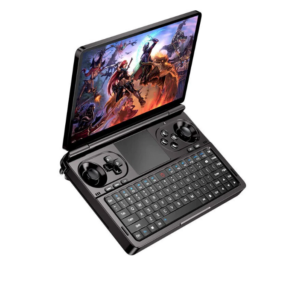 | GPD Win Mini 2025 | Link | AMD Ryzen AI 9 HX 370 | AMD Radeon 890M (16 CUs) | 32GB or 64GB LPDDR5X (7500 MT/s) | 1TB to 4TB PCIe Gen 4 NVMe SSD | 7-inch LTPS, 1920 x 1080, 120Hz, VRR | Wi-Fi 6E, Bluetooth 5.3 | 1x USB4, 1x USB 3.2 Type-C, 1x USB-A 3.2 Gen 2, 1x microSD slot | ~172mm x 109mm x 27mm | 44.24Whr | ~555g | Clamshell design with built-in backlit keyboard native landscape display very compact form factor | 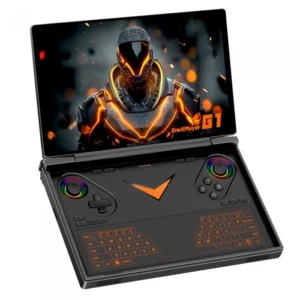 | OneXplayer G1 | Link | AMD Ryzen AI 9 HX 370 / AMD Ryzen 7 8840U / Intel Core Ultra 7 255H | AMD Radeon 890M / Radeon 780M / Intel Arc Graphics 140T | 32GB or 64GB LPDDR5x (7500 MT/s) | 1TB or 2TB M.2 2280 NVMe PCIe 4.0 SSD | 8.8-inch LTPS, 2560 x 1600 (WQXGA), 144Hz, 500 nits, 97% DCI-P3 | Wi-Fi 6E, Bluetooth 5.2 | 1x OCuLink, 2x USB 4.0 (Type-C), 1x USB 3.2 Gen 1 (Type-A), 1x 3.5mm combo jack, 1x microSD slot | 208mm x 146.5mm x 32mm | 52Whr | 880g (Tablet only) | 3-in-1 form factor (Handheld/Tablet/Laptop) with detachable magnetic keyboard built-in kickstand OCuLink support | 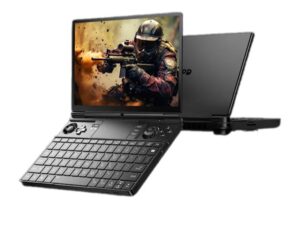 | GPD Win Max 2 HX 370 | Amazon | AMD Ryzen™ AI 9 HX 370 (12 Cores, 24 Threads, up to 5.1GHz, Zen 5 architecture) | AMD Radeon™ 890M (16 Compute Units, up to 2900MHz, RDNA 3.5 architecture) | 32GB or 64GB LPDDR5X 7500 MT/s (Soldered) | Slot 1: 2280 NVMe PCIe 4.0 x4 (System) Slot 2: 2230 NVMe PCIe 4.0 x4 (Expansion) | 10.1-inch IPS, 2560 x 1600 (16:10), 400 nits, support for active stylus (MPP 2.0, 4096 pressure levels) | Wi-Fi 6E, Bluetooth 5.3, Built-in 4G LTE Module (Optional) | 1x USB4 (40Gbps) 1x OCuLink (SFF-8612) (63Gbps effective bandwidth) 1x USB 3.2 Gen 2 Type-C 2x USB 3.2 Gen 2 Type-A 1x HDMI 2.1 1x SD Card Slot (UHS-II) 1x MicroSD Card Slot (UHS-I) 1x 3.5mm Headphone/Mic Combo | 227 × 160 × 23 mm | 67Wh | ~1005g (approx. 1kg) | Built-in physical keyboard Hall Sensor joysticks Magnetic covers to hide game controls Fingerprint power button 2MP Camera, 4-speaker surround sound | 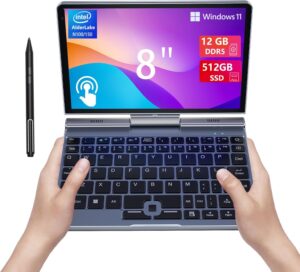 | Kooforway P8 | Amazon | Intel® Processor N150 | Intel® UHD Graphics (Integrated, up to 750MHz) | 12GB LPDDR5 4800MHz (Soldered) | 512GB or 1TB M.2 2242 SSD (User replaceable/upgradeable) | 8-inch IPS Touchscreen, 1280 x 800 resolution (HD), 16:10 aspect ratio, 180° Hinge | Wi-Fi 6 (802.11ax), Bluetooth 5.2, Gigabit Ethernet | 1x USB Type-C (Power Delivery, Data, Display) 1x USB 3.0 Type-A 1x HDMI 2.0 1x RJ45 Gigabit Ethernet 1x 3.5mm Headphone Jack | 198 x 138 x 19.7 mm | 3200mAh / 11.4V (approx. 4-6 hours usage) | 0.78 kg (1.72 lbs) | 180° Rotating “Yoga-style” Hinge, 1024-level Pressure Sensitive Stylus support Aluminum Metal Body Active Cooling Fan G-Sensor |
|---|
What are modern UMPC?
Here is a breakdown of what UMPCs were and what they have become today:
1. The Original Concept (2006–2010)
The goal was to put full PC capability into a handheld form factor.
- Specs: These devices usually featured 5-to-7-inch touchscreens and ran standard Windows XP Tablet PC Edition or Windows Vista.
- Input: They rarely had physical keyboards; users relied on a stylus or on-screen touch controls.
- Usage: They were marketed for business professionals who needed full Windows applications on the go without the bulk of a laptop.
- Why they faded: The original UMPCs were generally expensive, underpowered, had poor battery life, and the touch interface of Windows at the time was difficult to use on small screens. The arrival of the iPad and modern smartphones eventually made the original UMPCs obsolete.
2. The Modern Revival (2016–Present)
While the term “UMPC” fell out of mainstream use for a decade, the form factor has seen a massive resurgence recently, driven by more efficient processors and the demand for portable PC gaming.
Today, “UMPC” is often used to describe two main types of devices:
- Miniature Laptops: Brands like GPD (e.g., GPD Pocket, GPD Win Max) and One-Netbook manufacture tiny clamshell laptops (7–10 inches) that fit in a large pocket or small bag but run full Windows 10/11 and are powerful enough for IT work or content creation.
- PC Gaming Handhelds: Devices like the Steam Deck, ASUS ROG Ally, and Ayaneo are technically specialized UMPCs. They are handheld computers that run standard PC operating systems (Windows or Linux) but are designed specifically for gaming with integrated controllers.